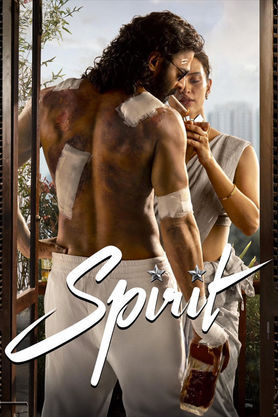
Few upcoming Indian films currently carry the level of theatrical anticipation surrounding Spirit. Long before the beginning of full-scale promotional campaigns, the project has already established itself as one of the industry's most closely watched theatrical events among distributors, exhibitors, and trade analysts.
From a commercial perspective, the film combines two of the strongest forces currently operating within Indian cinema — Prabhas' nationwide box office pull and Sandeep Reddy Vanga's increasingly powerful directorial identity. That combination alone has significantly elevated expectations surrounding the film's eventual opening trajectory across domestic and overseas markets.
The Indian theatrical market has increasingly shifted toward event-driven spectacles over the past few years, particularly after the pandemic reshaped audience behavior. Films perceived as “must-watch theatrical experiences” now command disproportionately stronger opening momentum compared to conventional releases, and Spirit appears strategically positioned within that category.
The Rise of Event-Driven Indian Cinema
Modern Indian box office trends are no longer dominated purely by star power alone. Instead, theatrical performance increasingly depends on a combination of cinematic scale, online visibility, premium format demand, and pre-release audience urgency. Spirit appears aligned with all four factors simultaneously.
Large-scale theatrical projects now rely heavily on audience perception before release. Once viewers collectively begin treating a film as a nationwide event, social media activity, premium format sellouts, and advance booking acceleration start functioning as organic marketing tools.
That transition has dramatically changed the economics of theatrical openings. Earlier eras often depended heavily on physical marketing campaigns and regional audience pull. Today, digital anticipation itself becomes a measurable commercial driver. Teaser reactions, fan edits, social media engagement, trailer breakdowns, and online discussion cycles all contribute toward expanding awareness and creating audience urgency before release.
Spirit currently benefits from exactly that type of momentum. Even before aggressive promotional campaigns begin, the film already occupies a strong position within online entertainment conversations across multiple Indian markets.
Prabhas and the Scale of Pan-India Openings
Very few Indian stars currently possess the ability to generate immediate nationwide theatrical urgency at the scale Prabhas operates. Over the last several years, the actor has transformed from a regional superstar into one of Indian cinema’s largest pan-India theatrical brands. Even films receiving mixed critical reception have continued opening at extremely high commercial levels purely due to audience curiosity, scale perception, and theatrical pull.
That positioning becomes even more significant in the context of Spirit because the project arrives after audiences have increasingly shifted toward spectacle-driven theatrical experiences. Large-format action cinema continues dominating premium screens across India, and Prabhas remains one of the few actors capable of driving massive occupancy levels simultaneously across Telugu states, North India, Karnataka, Tamil Nadu, and overseas territories.
Trade analysts are particularly observing whether Spirit can unlock stronger repeat audience momentum compared to some of Prabhas’ previous releases. Early market perception suggests that the collaboration with Sandeep Reddy Vanga may help position the film as a more emotionally intense theatrical event rather than relying purely on visual scale alone.
That distinction matters significantly because audience retention beyond opening weekend increasingly depends on emotional engagement and strong public discussion rather than opening-day hype alone.
Why the Sandeep Reddy Vanga Factor Matters
Director-driven hype has become increasingly powerful within the Indian theatrical ecosystem, particularly after films like Animal demonstrated how aggressive audience anticipation can reshape pre-release demand. Sandeep Reddy Vanga currently occupies a unique position where his projects automatically become major social media discussion points months before release.
That kind of online discourse directly affects theatrical economics. Once a film enters mainstream digital conversation cycles, trailer launches, music releases, teaser cuts, and promotional campaigns begin generating significantly larger engagement levels compared to standard commercial releases.
Spirit benefits enormously from that phenomenon. The combination of Prabhas’ mass theatrical pull and Vanga’s provocative directorial identity creates a project capable of attracting multiple audience segments simultaneously — mass audiences, multiplex viewers, premium format consumers, and social media-driven younger demographics.
Trade circles also believe that the director’s ability to generate viral audience reactions could substantially increase post-release momentum if the theatrical experience delivers strong emotional impact. In the current theatrical environment, strong audience conversation during opening weekend can dramatically extend occupancy sustainability beyond the initial hype phase.
Premium Formats Could Become a Major Revenue Driver
Premium theatrical formats are now among the most important contributors to major Indian box office openings. IMAX, 4DX, Dolby Cinema, large-format auditoriums, and premium recliner screens generate significantly higher average ticket prices compared to standard formats.
Spirit appears strategically positioned to capitalize on this trend. Large-scale action storytelling combined with visually intense cinematic presentation naturally aligns with premium screen demand. Early industry discussions already indicate exceptionally strong exhibitor interest surrounding IMAX allocation and premium format scheduling.
This matters because premium screens heavily influence opening day gross potential. Even if overall ticket counts remain comparable between two major films, higher premium-format contribution can substantially elevate total collections.
Recent Indian blockbusters have demonstrated how premium formats increasingly contribute disproportionate percentages of opening weekend revenue. Spirit’s combination of scale, sound design potential, and action-heavy presentation could position the film extremely well within that ecosystem.
North India Could Play a Decisive Role
One of the most important aspects of Spirit’s theatrical positioning is its potential strength within North Indian markets. Traditionally, Telugu-origin films relied heavily on Southern territories for primary revenue generation. However, the pan-India era has fundamentally changed those dynamics.
Today, Hindi-speaking markets contribute massive revenue shares for major event films. Large openings in Delhi NCR, Mumbai, Pune, Gujarat, Rajasthan, and Uttar Pradesh can dramatically reshape the commercial trajectory of a nationwide release.
Prabhas already possesses strong recognition across Hindi-speaking audiences following Baahubali, Salaar, Kalki 2898 AD, and several dubbed theatrical releases. Meanwhile, Sandeep Reddy Vanga’s previous success with Hindi audiences substantially strengthens Spirit’s crossover appeal.
If trailer reception performs strongly in Hindi markets, trade expectations surrounding opening day numbers could increase rapidly. The Hindi market has become especially important because it offers significantly larger multiplex revenue contribution and premium pricing opportunities.
Overseas Markets Are Watching Closely
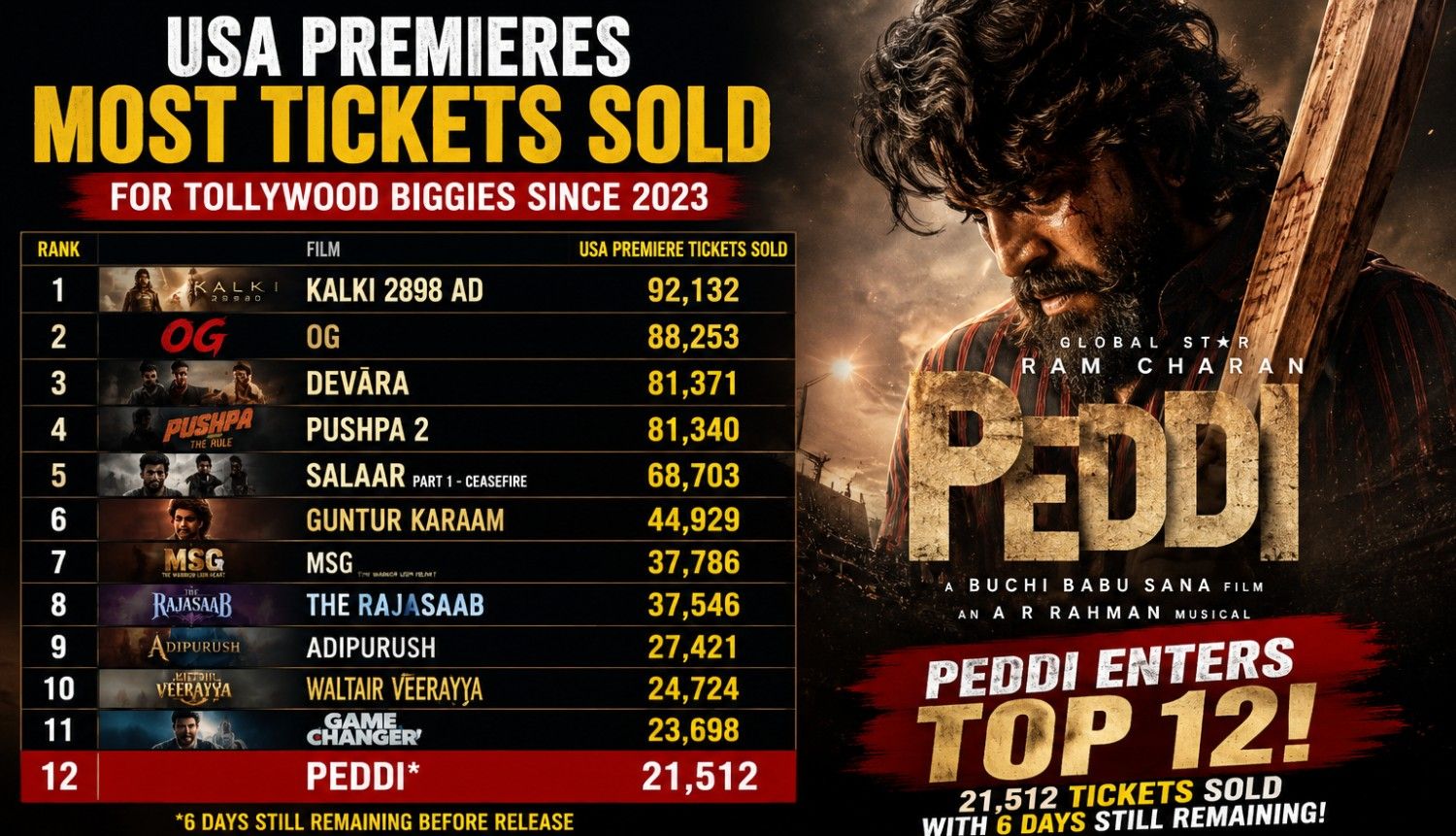
Overseas theatrical performance has become increasingly important for large-scale Indian event films. Markets like the United States, Canada, Australia, the United Kingdom, and the Gulf region now contribute substantial percentages of opening weekend revenue for major releases.
Prabhas already commands strong overseas recognition, particularly among Telugu diaspora audiences. However, Spirit’s pan-India positioning could expand interest beyond traditional regional markets into broader Indian cinema audiences internationally.
The overseas market also reacts aggressively to early buzz. Once advance bookings begin trending positively in North America and Gulf territories, social media amplification often accelerates dramatically. Strong overseas premieres can influence domestic perception and strengthen opening weekend momentum across Indian markets.
Industry observers are especially tracking whether Spirit can emerge as one of the highest-grossing overseas openers among upcoming Indian theatrical releases.
The Importance of Advance Booking Momentum
Advance booking trends have become one of the clearest indicators of opening-day theatrical potential in the modern box office era. Major event films now rely heavily on early ticket sales to establish momentum before release day arrives.
Strong advance booking performance serves multiple purposes simultaneously. It generates headlines across entertainment media, increases visibility on ticketing platforms, creates urgency among undecided audiences, and boosts exhibitor confidence regarding additional screen allocation.
Spirit appears likely to benefit substantially from that ecosystem. The film already possesses unusually high awareness levels among online movie audiences, and once official bookings begin, social media amplification could become extremely aggressive.
Premium formats are expected to sell rapidly during early booking phases, particularly in metropolitan markets and overseas territories. If booking acceleration mirrors current trade expectations, Spirit could realistically challenge several post-pandemic advance booking benchmarks across multiple regions.
Can Spirit Reach Historic Opening Numbers?
While predicting exact box office figures this early remains speculative, Spirit clearly possesses many characteristics associated with major theatrical event cinema. Strong star power, massive digital visibility, premium format demand, pan-India positioning, and director-driven anticipation collectively create unusually high commercial expectations.
The current Indian theatrical market increasingly rewards films capable of becoming nationwide conversation topics rather than simply functioning as standard commercial releases. Spirit already appears positioned within that elite category long before promotional campaigns fully begin.
Ultimately, opening day performance will depend on multiple factors including teaser reception, music popularity, trailer impact, release timing, competition, and advance booking acceleration closer to release. However, from a trade-analysis perspective, the film already demonstrates many early indicators associated with historically large theatrical openings.
If promotional momentum aligns with current audience expectations, Spirit could realistically emerge as one of the defining theatrical events of modern Indian cinema.